
Entrevista
BARSHASKETH, la música hecha enigma
Inicio » Entrevistas »
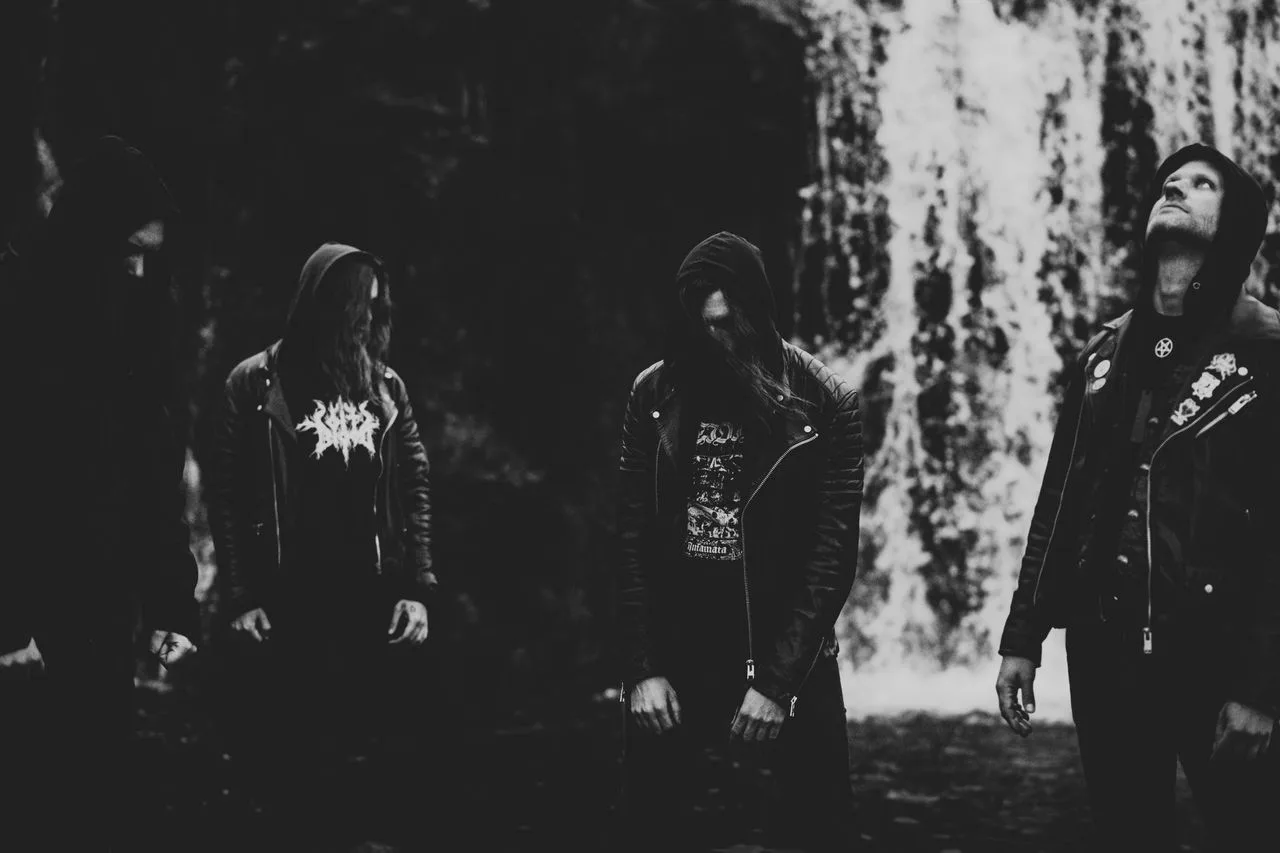
Hace unos días publicamos una reseña del disco "Antinomian Asceticism" de BARSHASKETH y a la semana la banda nos obsequió con un Track by Track que nos ayudaba a comprender la estructura del mismo. Tras ello, invitamos al grupo a participar en una entrevista para conocer un poco a esta enigmática banda. Sin duda, una entrevista intensa.
English below
Barshasketh está totalmente enfocado en crear música devocional luciferina, y esto se comunica a través de todos los medios disponibles: sonido, letras e imagen. Se trata de un "Gesamtkunstwerk" o "obra de arte total". Cualquier otra exploración temática se canaliza en otros proyectos.

Barshasketh comenzó como un proyecto en solitario de Krigeist en Nueva Zelanda y luego se expandió hasta convertirse en una banda completa con base en Edimburgo, Escocia. ¿Podrías contarnos más sobre esta transición y cómo influyó en vuestra dirección musical?
Diría que la ubicación geográfica tuvo muy poco impacto en la música o en la temática de la banda. El aspecto más significativo de esta transición fue encontrar a las personas adecuadas para llevar a Barshasketh de un proyecto solista a una banda completa. Sus perspectivas, personalidades y aportes creativos han tenido un impacto incalculable en la banda, y ahora es imposible imaginar Barshasketh sin ellos.
¿Qué artistas o bandas han influido significativamente en el sonido y la visión artística de Barshasketh?
Más allá de los clásicos, que siempre estarán presentes en nuestra composición, algunas de las influencias más recientes en nuestro estilo dentro del black metal han sido Drastus, Adaestuo, Numinous y Thy Darkened Shade.
Vengo de una formación clásica, lo que también ha sido una gran influencia. Escucho un espectro bastante amplio de música clásica, pero mi principal interés radica en la música temprana, el barroco y desde el impresionismo hasta la música contemporánea. En cuanto a compositores que pueden haber influido en mi sentido del arreglo en Barshasketh, destacaría especialmente a figuras del Renacimiento y la música temprana, como Carlo Gesualdo (una especie de Varg Vikernes de su época), Solage, Guillaume de Machaut, William Byrd y Thomas Tallis.
Vengo de una formación clásica, lo que también ha sido una gran influencia. Escucho un espectro bastante amplio de música clásica, pero mi principal interés radica en la música temprana, el barroco y desde el impresionismo hasta la música contemporánea. En cuanto a compositores que pueden haber influido en mi sentido del arreglo en Barshasketh, destacaría especialmente a figuras del Renacimiento y la música temprana, como Carlo Gesualdo (una especie de Varg Vikernes de su época), Solage, Guillaume de Machaut, William Byrd y Thomas Tallis.
¿Podrías describir vuestro proceso típico de composición y grabación? ¿Cómo colaboráis, considerando la distancia geográfica entre los miembros?
Dado que nuestros miembros están repartidos por toda Europa, tocar juntos en la misma sala es algo poco frecuente. Por ello, trabajamos principalmente intercambiando demos y borradores. Generalmente, KG o yo esbozamos la estructura inicial de una canción, la enviamos al resto de la banda para que aporten sus ideas, y luego suele regresar a mí para afinar los arreglos. Como tengo cierta especialización en este aspecto, me encargo de revisar y perfeccionar los detalles hasta que estamos satisfechos con el resultado final.
En un mundo ideal, podríamos construir las canciones juntos en el mismo espacio, pero creo que nuestro proceso actual ha funcionado lo mejor posible dadas las circunstancias, y estamos satisfechos con los resultados que logramos.
En un mundo ideal, podríamos construir las canciones juntos en el mismo espacio, pero creo que nuestro proceso actual ha funcionado lo mejor posible dadas las circunstancias, y estamos satisfechos con los resultados que logramos.
Vuestra música explora temas como el sendero de la mano izquierda, el ocultismo y la filosofía. ¿Cómo influyen estos conceptos en vuestras letras y en la expresión artística en general?
Barshasketh está totalmente enfocado en crear música devocional luciferina, y esto se comunica a través de todos los medios disponibles: sonido, letras e imagen. Se trata de un "Gesamtkunstwerk" o "obra de arte total". Cualquier otra exploración temática se canaliza en otros proyectos.
Quiero aclarar el malentendido sobre la etiqueta de "filosófico" que algunos nos han asignado. No estamos impartiendo una lección de filosofía, sino utilizando su lenguaje como un atajo para transmitir ciertas ideas. Nuestra motivación principal es difundir la palabra de Lucifer, no la de ningún filósofo, por muy interesante que pueda ser su obra.
Quiero aclarar el malentendido sobre la etiqueta de "filosófico" que algunos nos han asignado. No estamos impartiendo una lección de filosofía, sino utilizando su lenguaje como un atajo para transmitir ciertas ideas. Nuestra motivación principal es difundir la palabra de Lucifer, no la de ningún filósofo, por muy interesante que pueda ser su obra.
Vuestro álbum homónimo de 2019 recibió elogios de la crítica. ¿Cuál fue el marco conceptual detrás de este disco y en qué se diferencia de vuestros trabajos anteriores?
Este álbum marcó una especie de segundo nacimiento para la banda, consolidando lo que sentimos como nuestra alineación definitiva. MK fue la pieza final que nos faltaba para lograr lo que queríamos con Antinomian Asceticism y su predecesor.
Con este disco hubo un deseo genuino de regresar a los fundamentos que nos han inspirado, y qué mejor manera de hacerlo que explorando el concepto esotérico detrás de nuestro nombre. Barshasketh proviene del hebreo "Be’er Shachat", que se traduce aproximadamente como "Fosa de Corrupción". Es un concepto metafísico complejo relacionado con la Qliphoth, que describe cómo el yo existe en un proceso cíclico de destrucción, purificación y renacimiento.
Con este disco hubo un deseo genuino de regresar a los fundamentos que nos han inspirado, y qué mejor manera de hacerlo que explorando el concepto esotérico detrás de nuestro nombre. Barshasketh proviene del hebreo "Be’er Shachat", que se traduce aproximadamente como "Fosa de Corrupción". Es un concepto metafísico complejo relacionado con la Qliphoth, que describe cómo el yo existe en un proceso cíclico de destrucción, purificación y renacimiento.
¿Cómo trasladáis la profundidad atmosférica de vuestras grabaciones al directo? ¿Algún concierto o gira que os haya marcado especialmente?
Es prácticamente imposible reproducir el álbum nota por nota en vivo. No solo hay muchas capas en las guitarras que deben condensarse en dos partes, sino que también hay un uso extenso de automatización en la mezcla, con efectos especiales que no podemos replicar fácilmente en directo.
En ocasiones usamos ciertos efectos para aproximarnos al sonido del álbum, aunque lo logremos de formas distintas, como la superposición de pistas. Sin embargo, lo más importante es transmitir la misma intensidad emocional y la atmósfera del disco en cada actuación.
Hemos tenido la suerte de tocar en muchas partes del mundo, pero algunos de los conciertos más memorables han sido Sangre y Fuego Para Mictlantecuhtli en Ciudad de México (2019), Steelchaos en Helsinki (2019), Hymns to the Dead en Hobart (2017) e Inner Awakening Festival en Budapest (2016).
En ocasiones usamos ciertos efectos para aproximarnos al sonido del álbum, aunque lo logremos de formas distintas, como la superposición de pistas. Sin embargo, lo más importante es transmitir la misma intensidad emocional y la atmósfera del disco en cada actuación.
Hemos tenido la suerte de tocar en muchas partes del mundo, pero algunos de los conciertos más memorables han sido Sangre y Fuego Para Mictlantecuhtli en Ciudad de México (2019), Steelchaos en Helsinki (2019), Hymns to the Dead en Hobart (2017) e Inner Awakening Festival en Budapest (2016).
La banda ha enfrentado desafíos, incluidos cambios de formación y reubicaciones. ¿Cómo han impactado estas experiencias en vuestra música y en la identidad del grupo?
Nuestra comprensión de los conceptos esotéricos que exploramos está absolutamente influida por nuestras experiencias personales. De hecho, creo que una de las cosas que nos diferencia de otras bandas del género es que reconocemos la duda y vemos nuestra música como un proceso continuo de revelación a través de la vivencia.
¿Podemos esperar nuevos proyectos o colaboraciones en el futuro?
lanzamiento en vivo en el estudio. Sentimos que es el siguiente paso lógico para nosotros. Es un reto enorme, y hay una razón por la que pocas bandas lo hacen hoy en día, especialmente con presupuestos de grabación cada vez más reducidos.Aparte de eso, no puedo revelar mucho sobre la dirección exacta de nuestro nuevo material, ya que estará moldeado por todo lo que ocurra hasta que entremos al estudio.
¿Cómo influyen vuestras creencias personales en la música y el mensaje de Barshasketh?
Barshasketh es el vehículo a través del cual exploramos y expresamos nuestras creencias espirituales y filosóficas. En ese sentido, música y creencias son una sola cosa.
¿Cómo ha sido la recepción de vuestra música en diferentes países? ¿La opinión del público influye en vuestro proceso creativo?
Nuestra música ha encontrado una mayor resonancia en tres áreas geográficas: el mundo anglosajón, los países nórdicos y, desde Antinomian Asceticism, en Sudamérica.
En cuanto a la opinión del público, no tiene ningún impacto en nuestro proceso creativo. Solo miramos hacia nuestro interior para encontrar inspiración.
En cuanto a la opinión del público, no tiene ningún impacto en nuestro proceso creativo. Solo miramos hacia nuestro interior para encontrar inspiración.
Además de la música, ¿hay libros, películas o arte que hayan inspirado la estética y temática de Barshasketh?
Para comprender Barshasketh, hay que situarlo dentro de la tradición artística y filosófica occidental. Los símbolos y el lenguaje que empleamos solo pueden entenderse dentro de ese marco, incluyendo la tradición cristiana, que aunque sea algo contra lo que reaccionamos, también puede ser una fuente de inspiración.
Algunos nombres que han tenido un impacto en nosotros son Rilke, Rubens, Tarkovski, Dürer, Bataille, Bergman, Caravaggio, Geoffrey Hill, Baudelaire y Jacob Pins.
Algunos nombres que han tenido un impacto en nosotros son Rilke, Rubens, Tarkovski, Dürer, Bataille, Bergman, Caravaggio, Geoffrey Hill, Baudelaire y Jacob Pins.
La industria musical está en constante evolución. ¿Cómo ha afrontado Barshasketh estos cambios en términos de distribución y alcance?
Nos hemos adaptado... a regañadientes. La corta atención que fomentan las redes sociales no nos favorece, pero no podemos estar ausentes de estas plataformas.
¿Qué mensaje esperáis que los oyentes extraigan de vuestra música?
Espero que conduzca a la autorreflexión y guíe el camino hacia el sendero de la mano izquierda.
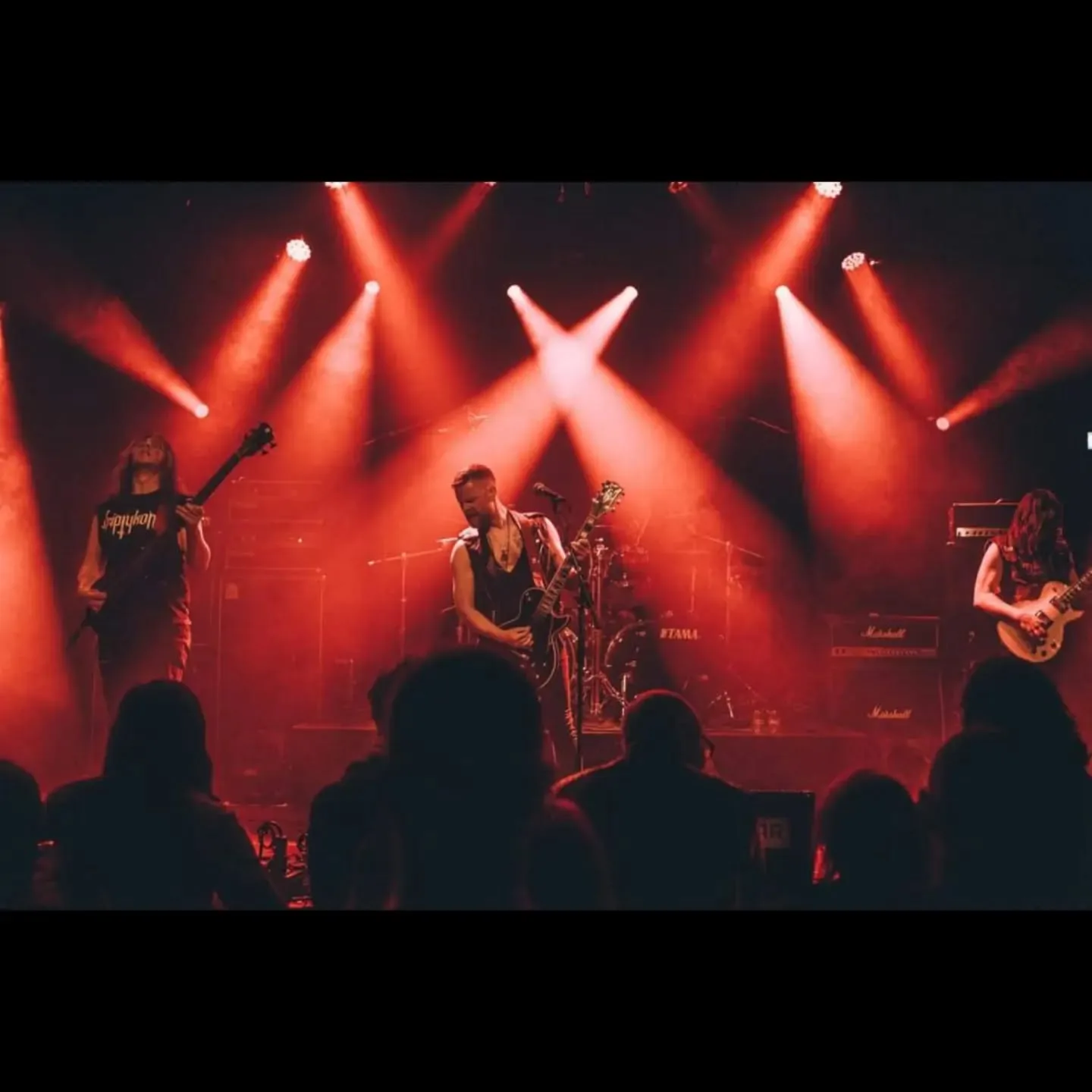
Barshasketh began as a solo project by Krigeist in New Zealand and later expanded into a full band based in Edinburgh, Scotland. Could you share more about this? transition and how it influenced your musical direction?
I would say geographic location has very little impact on the music or themes of the band. The most significant outcome of this transition was finding the right people to take Barshasketh from a solo project to a full band. Their perspectives, personalities and creative input have all had an immeasurable impact on the band, and it’s impossible to imagine Barshasketh without them now.
Which artists or bands have significantly influenced Barshasketh's sound and artistic vision?
Setting aside the classics, which will always inform our writing, the following artists have informed our style more recently: Drastus, Adaestuo, Numinous, and Thy Darkened Shade, at least when it comes to black metal.
I come from a classical background, so that has always been a huge influence, too. I listen to a fairly wide spectrum of classical music, but my main interest is in early music, baroque, and then everything from Impressionism onwards to contemporary. As far as composers that might have influenced my sense of arrangement in Barshasketh; these would be mostly from the early and Renaissance period: Carlo Gesualdo (a Varg Vikernes-esque figure in his own time), Solage, Guillaume de Machaut, William Byrd, and Thomas Tallis.
I come from a classical background, so that has always been a huge influence, too. I listen to a fairly wide spectrum of classical music, but my main interest is in early music, baroque, and then everything from Impressionism onwards to contemporary. As far as composers that might have influenced my sense of arrangement in Barshasketh; these would be mostly from the early and Renaissance period: Carlo Gesualdo (a Varg Vikernes-esque figure in his own time), Solage, Guillaume de Machaut, William Byrd, and Thomas Tallis.
Could you Describe your typical songwriting and recording process. How do you collaborate, especially considering any geographical distances between members?
As our members are scattered all over Europe, playing in the same room is a rare occurrence for us. As such, we mostly have to work through a process of demoing and sending drafts back and forth. Usually either KG or I will sketch the outline of a song, which will then be passed on for input from the rest of the band, and then it usually comes back to me, as I’m a bit of a specialist when it comes to arrangements, and I’ll review and fine-tune things. It’s an iterative process that goes on until we are satisfied that the arrangement is as good as we can make it. In an ideal world, we would be able to piece things together all together, but I think that the process we have has worked about as well as is possible, and we are satisfied with the end result that we ultimately achieve.
Your music delves into themes like the Left-Hand Path, occultism, and philosophy. How do these subjects shape your lyrics and overall artistic expression?
I would say that Barshasketh is entirely focused on creating devotional Luciferian music, and this is communicated through all available means (sonic, lyrics, and visual) in a “Gesamtkunstwerk” or “total work.”. Any other thematic zones of interest are channeled into other projects. Finally, I wanted to bring some clarity on the subject of the “philosophical” tag that is increasingly being applied to us—this is a misunderstanding. We are not giving a lecture on philosophy; we are merely using the language of philosophy as a shorthand for certain ideas. Our prime motivation is to spread the word of Lucifer, not that of any philosopher, however interesting their writings may be.
Your 2019 The self-titled album received critical acclaim. What was the conceptual framework? behind this record, and how does it differ from your previous works?
The S/T album was a kind of second founding for the band, with what we feel is the complete and definitive lineup. MK was the final missing piece, without whom we couldn’t have accomplished what we were aiming to do with both Antinomian Asceticism and its predecessor. With the S/T album there was a genuine desire to get back to the fundamentals in terms of themes that have inspired us, and what better way to do this than by tackling the esoteric concept behind our band name? The name BARSHASKETH derives from the Hebrew term Be’er Shachat, which roughly translates as ‘Pit of Corruption’. It’s a multifaceted metaphysical idea related to the Qliphoth concerning how the self exists in a cyclical process that undergoes phases of destruction, purification, and rebirth.
How do you Translate the atmospheric depth of your studio recordings into live. performances? Are there any memorable shows or tours you'd like to highlight?
It is virtually impossible to reproduce what is on the record note for note—not only is there significant layering in the guitars that needs to be consolidated into two guitar parts, but there is also extensive use of automation in the mix, with special effects and so on, which is something we can’t easily duplicate live, for the time being at least. We will sometimes use certain effects to approximate what is on the album, even if it is realized through different means, such as multi-tracking, there. Otherwise, we try to perform with an intensity that conveys the same intensity of feeling and mood that is present on the recording. It can be a bit variable from show to show. Sometimes it's easy to slip into a flow state where we become one with the music, and sometimes it can be a bit more challenging to get there. We’ve been lucky enough to play all over the world, some of my favorite shows would be Sangre Y Fuego Para Mictlantecuhtli in Mexico City in 2019, Steelchaos in Helsinki in 2019, Hymns to the Dead in Hobart in 2017, Inner Awakening Festival in Budapest in 2016.
The band has faced challenges, including lineup changes and relocations. How have these How have experiences impacted your music and strengthened the band's identity?
Our understanding of the esoteric concepts that we tackle on the thematic side of things are absolutely informed by our personal experiences—in fact, I think that one aspect that sets us apart from other bands in the genre is that we acknowledge a sense of doubt and a continuous process of revelation through our lived experience.
Are there any upcoming projects, collaborations, or musical directions you're excited to explore in the near future?
We’re fairly set on tracking the next release live. Somehow it feels like the next step to take for us. It’s a huge challenge. I think there’s a reason why it’s something that not many bands do these days. Especially given how small recording budgets have become. Otherwise, I can’t reveal much else about what form our new material will take, as this will be shaped by what happens up until we are ready to record.
How do Your personal beliefs and philosophies influence the music and message of Barshasketh?
Barshasketh is the vehicle through which we explore and express our spiritual and philosophical beliefs, so in a sense, they are one and the same.
How has the reception been to your music across different countries, and does the audience Does feedback influence your creative process?
I would say that there are three geographical areas where our music has resonated most strongly, these would be: the Anglosphere, Nordic countries, and with the release of Antinomian Asceticism, there has been a surge in interest in what we are doing from South America. As far as audience feedback, I can tell you that it has absolutely no effect on our creative process whatsoever, we only look inwards for inspiration.
Beyond music, Are there any books, films, or artworks that have significantly inspired Barshasketh's themes and aesthetics?
I would say that Barshasketh needs to be situated within the Western artistic and philosophical tradition to be understood properly. The symbols that are employed, and even the language used, can only be made sense of within that framework. This includes the Christian tradition, which is something that we are reacting to, but can also be a source of inspiration, even if the stance of the Christian artist is in opposition to our own. To list a few names, I would say that Rilke, Rubens, Tarkovski, Dürer, Battaille, Bergman, Caravaggio, Geoffrey Hill, Baudelaire, and Jacob Pins have all had an impact, although it is difficult to pin down how it translates to our work in a direct fashion in most cases.
With the The music industry is evolving rapidly, especially in the digital age. How has Barshasketh adapted to these changes in terms of distribution and reaching your audience?
We’ve adapted… reluctantly. I do feel as though we’re a band that is not suited to the short attention span cultivated by the format of social media posts. This is only being aggravated further with Instagram and TikTok supplanting Facebook. However, it’s simply not workable to be absent from these platforms, so we try our best to keep our activity there coherent with our values and aesthetic sense, even if it can be challenging at times. In a sense, I’m nostalgic for the old system of print media and for the time when there was still a fairly high barrier of entry to make and release an album. As corrupt as the old paradigm was, the inherent gatekeeping was a net positive in retrospect, as it did filter out a lot of the noise that is out there nowadays.
What What message or experience do you hope listeners take away from your music?
I hope it will lead to self-reflection and light the way to the left-hand path.
Publicado el 13 de febrero, 2025

Últimas entrevistas